Comprehending the Different Sorts Of Stained Concrete for Your Next Job
Stained concrete deals different choices that accommodate various aesthetic and useful needs. Each type provides distinct attributes that influence the final look and resilience of the surface area. Recognizing these differences is vital for anyone preparing a project. From abundant, chemical responses of acid-based stains to the lively harmony of strong color stains, the choices can considerably influence the end result. What variables should one think about when selecting the perfect tarnish for their particular demands?
Summary of Stained Concrete
Stained concrete functions as a flexible floor covering choice that can boost the visual appeal of numerous rooms. This strategy includes using a coloring agent to the surface area of existing concrete, permitting a wide spectrum of design possibilities. Stained concrete is popular in both household and industrial settings, supplying a sturdy and low-maintenance solution that can mimic the look of all-natural materials like stone or ceramic tile.
The staining process can be performed using water-based or solvent-based items, each providing distinctive visual impacts. The last look is affected by elements such as the original concrete surface, the kind of stain used, and the application method. Stained concrete not just beautifies interiors and outsides yet additionally promotes sustainability by rejuvenating existing concrete structures. Consequently, it has acquired grip amongst house owners and developers looking for both capability and style in their floor covering choices.
Acid-Based Stains: Characteristics and Advantages
Unique Shade Variants
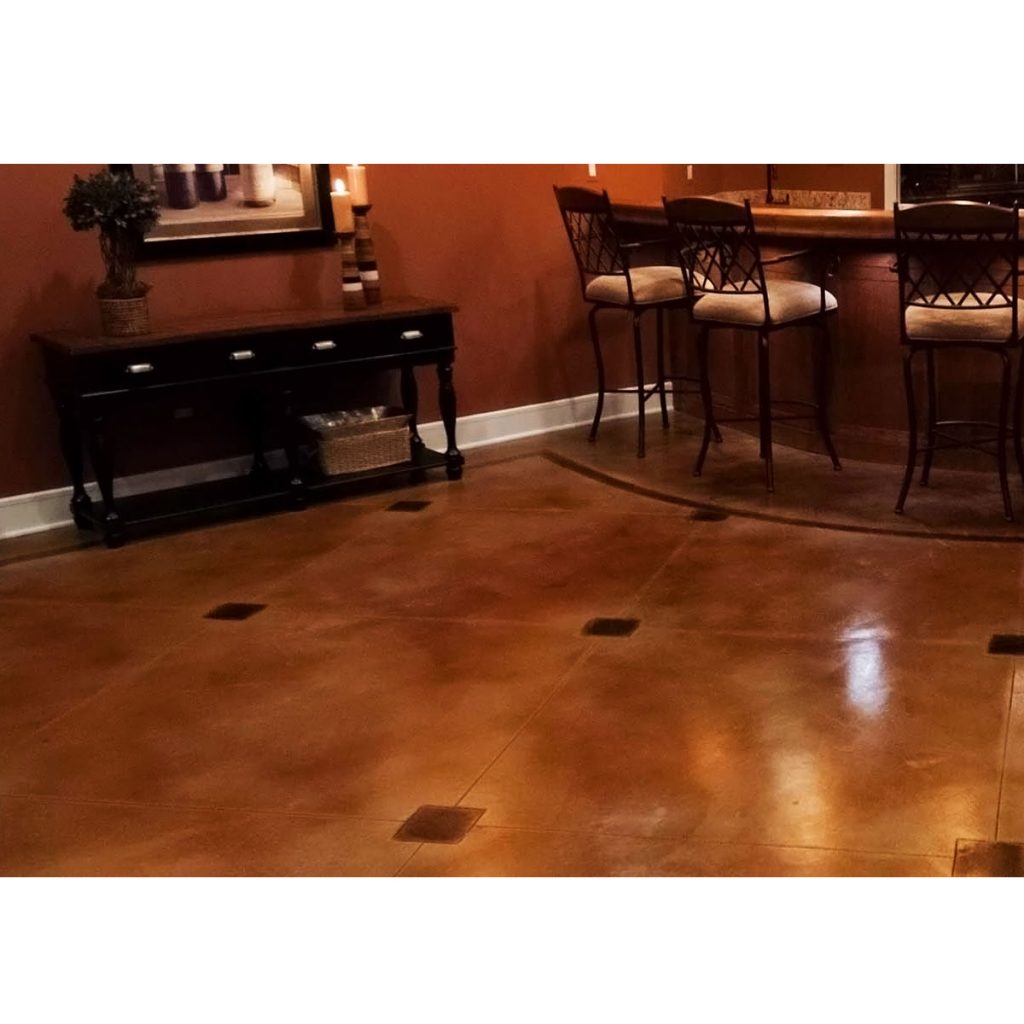
Concrete surface areas can change considerably with the application of acid-based stains, which supply an abundant scheme of distinct shade variants. These stains pass through the concrete, responding chemically to produce vibrant earth tones that vary from deep browns and reds to soft greens and blues. The resulting tones are typically variegated, producing an all-natural, marble-like look that improves the concrete's personality. Each application yields unique results because of variants in the concrete's composition and the staining technique made use of, making every task one-of-a-kind. Additionally, acid-based stains can be split or incorporated with various other techniques to develop personalized designs, enabling individual expression. This flexibility makes acid-based stains a popular option for both residential and industrial applications.
Chemical Reactions Explained
While lots of aspects add to the performance of acid-based stains, the underlying chemical reactions play a crucial duty in their unique characteristics and benefits. These stains primarily are composed of water, acid, and metal salts. When applied to concrete, the acid responds with the calcium hydroxide in the cement, developing a chemical change that causes permanent color modifications. The metal salts permeate the surface and bond with the concrete, permitting for a variety of tones and tones. This response not only enhances aesthetic allure yet additionally offers toughness, making the color immune to fading and wear. Additionally, acid-based stains can produce a variegated surface that resembles all-natural rock, more improving their popularity for attractive concrete applications.
Surface Area Prep Work Relevance
Attaining excellent outcomes with acid-based stains copyrights on thorough surface area prep work. This crucial action warranties that the concrete surface area is tidy, totally free of pollutants, and effectively profiled for excellent tarnish absorption. Any existing sealers, dirt, or oils can prevent the chain reaction that produces the wanted shade and surface, bring about irregular or uneven results.
Prior to using the tarnish, the concrete needs to be mechanically cleaned or pressure washed, complied with by an extensive inspection for fractures or blemishes that may call for repair work. In addition, validating the surface is appropriately dried out will certainly improve tarnish adherence. By prioritizing these primary measures, the long life and vibrancy of acid-based stains can be greatly enhanced, leading to an extra cosmetically pleasing and sturdy finish.
Water-Based Stains: Attributes and Benefits
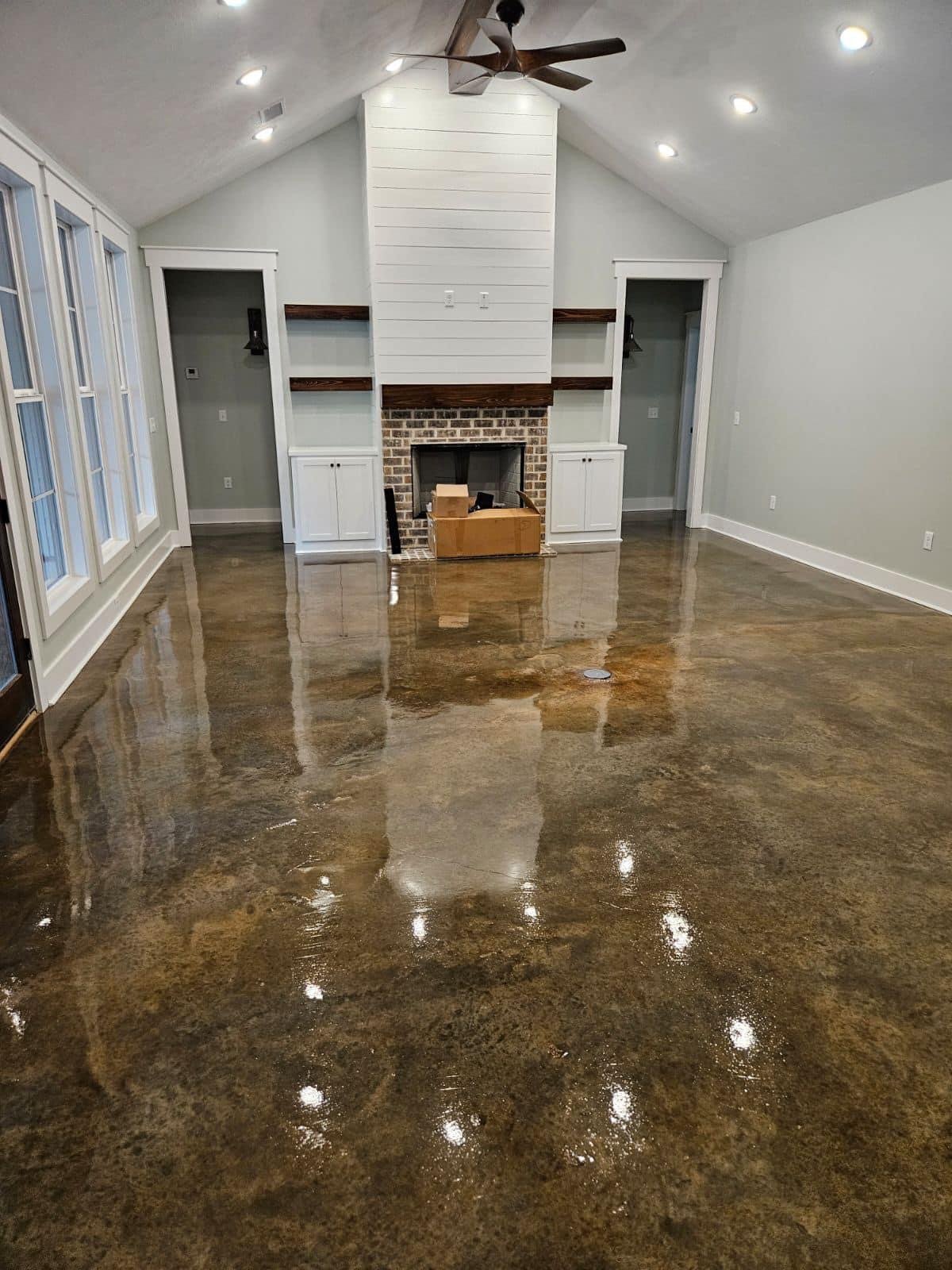
Water-based stains pass through the concrete, using a more transparent surface that highlights the all-natural appearance and variations of the surface area underneath. They are available in a wide array of shades, enabling for creative versatility in layout. Furthermore, water-based stains are less complicated to tidy up, requiring just water and soap, which streamlines the application process.
Their quick drying time enhances effectiveness, making them a practical selection for both DIY fanatics and professionals. On the whole, water-based stains provide an appealing mix of aesthetic versatility and user-friendly residential or commercial properties, making them a preferred alternative for concrete improvement jobs.
Solid Color Stains: Vibrant Options for a Strong Appearance
Strong color stains use an effective remedy for those seeking to develop a vibrant and vibrant aesthetic on concrete surfaces. These stains provide a consistent pigmentation that can substantially improve the aesthetic appeal of floorings, patios, and driveways. Available in a broad range of colors, solid color stains enable innovative expression, accommodating various layout choices.
Among the vital benefits of strong color stains is their ability to conceal flaws, giving a Web Site fresh and polished seek to aging concrete - Stained Concrete Floors Austin Tx. In addition, their solution typically consists of UV-resistant buildings, guaranteeing longevity and color retention also in rough weather problems
Application is straightforward, requiring marginal preparation of the concrete surface. When used, strong color stains can be secured for added protection and sheen, more elevating their aesthetic quality. With their vibrant alternatives, strong color stains are a superb choice for those going for an impactful and natural style.
Semi-Transparent Stains: Achieving Depth and Dimension
Semi-transparent stains supply a distinct technique to boosting concrete surface areas by providing depth and dimension through various shade choices. Comprehending the application techniques is crucial for achieving the wanted effect, while appropriate upkeep methods ensure durability. This area will certainly discover these essential facets to maximize the benefits of semi-transparent discoloration.
Color Options Available
A wide array of shade choices exists for semi-transparent stains, permitting home owners and designers to enhance the natural elegance of concrete surface areas. These stains are available in a selection of tones, from earthy tones like browns and terracottas to dynamic colors such as blues and environment-friendlies. The semi-transparent nature of these stains enables the underlying concrete to show through, producing an one-of-a-kind deepness and measurement that can match various layout appearances. Additionally, incorporating various shades can generate customized tones, enabling a tailored search for each project. This versatility makes semi-transparent stains a popular option for both exterior and interior applications, as they can integrate with surrounding components while including visual interest to simple concrete.
Application Strategies Described
To accomplish the wanted depth and measurement with semi-transparent stains, appropriate application strategies are vital. Initially, surface area preparation is essential; the concrete should be tidy and devoid of any impurities. This typically entails power washing and repairing any cracks. Next, selecting the ideal applicator, such as a sprayer, roller, or brush, can influence the last look. Sprayers permit a much more even application, while rollers can help achieve appearance. It is vital to apply the tarnish in thin, also coats, enabling each layer to completely dry before adding one more. Manipulating the application technique, such as varying stress or making use of various devices, can develop special effects. Sealing the stained surface area boosts the vibrancy of the shades while providing protection.
Maintenance Best Practices
Regular upkeep is necessary for maintaining the elegance and stability of surface areas treated with semi-transparent stains. To maintain these surface areas, routine cleansing is vital. Using a pH-neutral cleaner and a soft-bristle mop will help get rid of dust and particles without harming the tarnish. It is suggested to stay clear of harsh chemicals, as they can deteriorate the tarnish's appearance. In addition, routine resealing each to 3 years can protect versus wear and fading. This procedure entails cleaning the surface extensively and applying a compatible sealant developed for stained concrete. Homeowners need to likewise keep an eye on for any kind of indicators of discoloration or damage and address these problems immediately to guarantee resilient vibrancy and resilience. Adhering to these ideal techniques will certainly enhance the total life-span of semi-transparent stained surfaces.
Effects and Methods: Personalizing Your Stained Concrete
Personalizing stained concrete involves a selection of strategies that improve both aesthetics and functionality. Amongst these methods, layering various discolor colors can produce deepness and complexity, permitting special aesthetic effects. Methods such as acid discoloration provide a variegated look, while water-based stains supply an extra uniform look.
Furthermore, including attractive patterns, such as More about the author stenciling or inscription, can even more customize the surface, adding complex styles that cater to private tastes. Texturing the concrete, whether through marking or broom finishes, introduces responsive aspects that not just enhance grasp however likewise improve aesthetic passion.
Using sealers can enhance the color vibrancy and give security against wear. Personalization methods expand beyond linked here simple shade; they can transform a basic concrete piece right into a spectacular focal factor, making it appropriate for both property and commercial spaces. Through cautious selection of impacts and techniques, stained concrete can achieve a really tailored appearance.
Maintenance and Durability of Stained Surfaces
Although stained concrete surface areas are known for their toughness and visual charm, keeping their integrity is essential for guaranteeing longevity. Regular cleaning is essential; sweeping and mopping with a pH-neutral cleaner aids protect against dirt build-up and discoloration. In addition, applying a sealer every few years can safeguard the surface area from dampness, chemicals, and UV damage, thereby improving its life expectancy.
It is also vital to deal with any kind of fractures or chips promptly. Little repairs can mitigate additional degeneration, preserving the aesthetic and architectural quality of the surface. For outdoor stained concrete, seasonal upkeep, such as removing snow and ice, is essential to avoid surface damage from freeze-thaw cycles.
Regularly Asked Inquiries
Can I Stain Existing Concrete Surfaces or New Ones?
The inquiry of whether existing concrete surface areas can be stained develops often. It is undoubtedly possible to tarnish both brand-new and old concrete, supplied the surface is appropriately ready and free of pollutants for excellent attachment.
How much time Does the Discoloration Refine Typically Take?
The discoloration procedure commonly takes one to 3 days, depending upon factors such as surface area preparation, kind of stain, and climate condition. Stained Concrete Floors Austin. Treating time might prolong beyond first application, influencing the total duration considerably
Is Stained Concrete Safe for Outdoor Use?
Stained concrete is normally risk-free for outside use, offered it is appropriately secured. This securing protects against dampness and UV damage, guaranteeing sturdiness and security, while additionally enhancing the visual charm of outdoor areas.
Can I Apply Multiple Spot Layers for Various Impacts?
Applying numerous stain layers can accomplish diverse impacts on stained concrete. It is important to ensure compatibility in between stains and permit correct drying time between applications to avoid unintended responses or staining.
Are There Any Type Of Shade Limitations for Stained Concrete?
Shade restrictions for stained concrete largely rely on the sort of discolor utilized, with water-based stains using a broader combination contrasted to acid-based stains. Austin Stained Concrete Floors. However, attaining lively shades might call for mindful option and application techniques